









How Andrew Ladd’s Mental Health Struggles Sparked a Mission to Change Minor Hockey Across BC and Beyond
Andrew Ladd founded 1616, a free program that helps minor hockey players build mental fitness while also supporting parents and coaches.
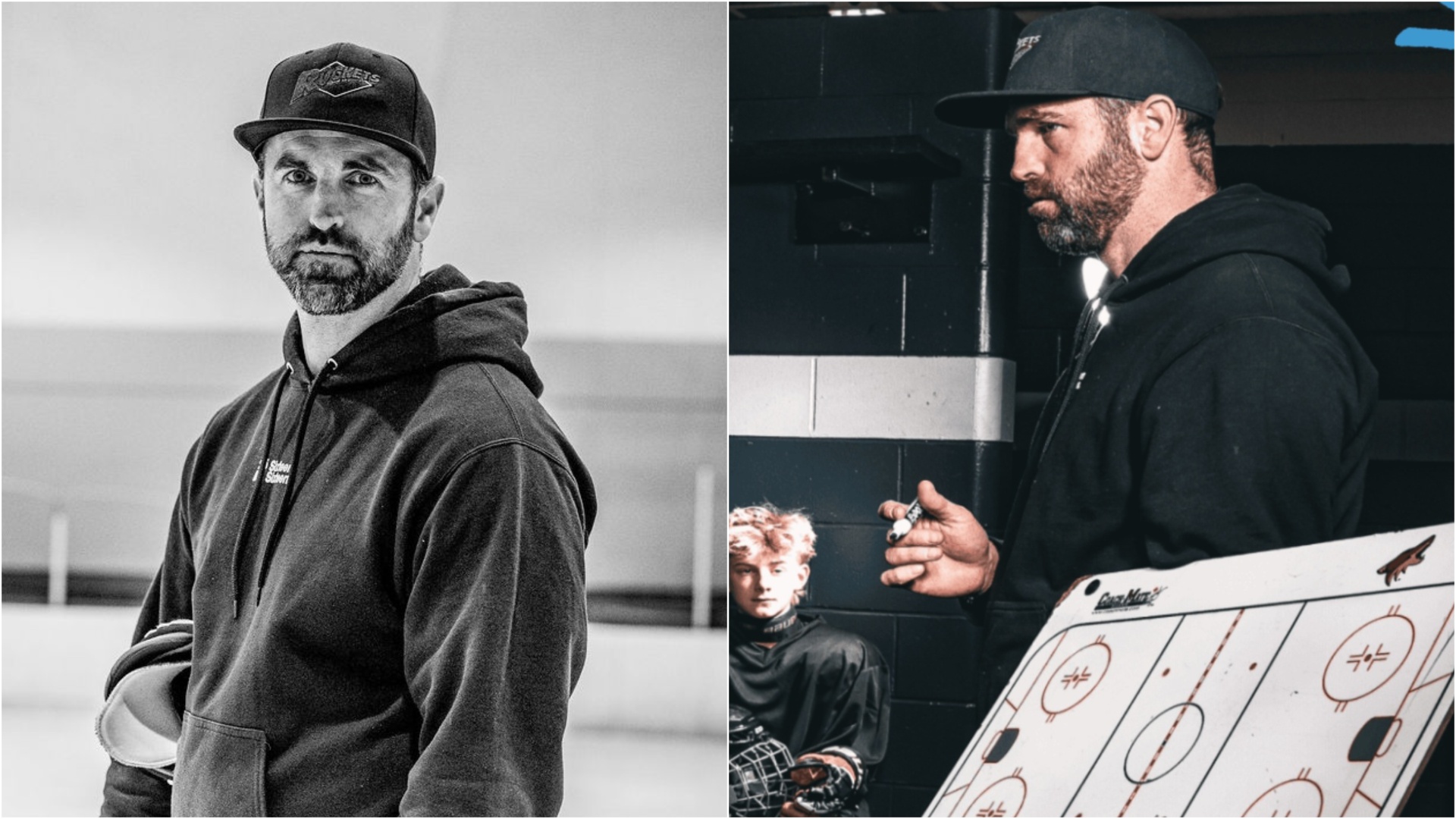
Hard work and overcoming obstacles were Andrew Ladd’s calling cards on the ice. Those traits transformed him from a teenager cut twice by the Vancouver Giants into a 4th overall draft pick, World Junior gold medallist, and two-time Stanley Cup champion.
No matter what happened in his 1,001-game NHL career, Ladd knew he could always push himself hard enough to endure any setback and emerge stronger on the other side.
Until one day he couldn’t.
“It took me hitting a wall towards the end of my NHL career to really start understanding myself better and recognizing that the approach I'd relied on my whole life wasn't always going to work. I had always been someone who worked harder and pushed through adversity, but I didn't have the awareness to recognize what I was going through or understand that I had other options,” Ladd admitted from his home in Kelowna.
Fortunately, his wife, Brandy, recognized the mental health struggles her husband was having, and they found the support Ladd needed. That decision let him finish his hockey career in a much better headspace as he steadily built the tools and practices he needed by working with a mental performance coach.
Finding the Tools With 1616
The breakthrough got Ladd thinking about how ill-equipped he had been to handle the situation, and how many other people were likely in the same boat.
The traits he’d learned in minor hockey and further developed as he progressed had helped him overcome other obstacles, so what if he’d been introduced to mental health and fitness resources as a child?
His curiosity became the starting point for what would eventually become the Ladd Foundation and the creation of ++1616++, a research-backed program that introduces minor hockey players to mental fitness through compelling videos featuring recognizable professionals like Mark Giordano, Brent Seabrook, and Blayre Turnbull.
“I think having a resource like 1616 growing up would have helped me develop that awareness much earlier, to better understand myself, the importance of the people around me, and how to navigate challenges in a more intentional way,” Ladd explains.
“That's what excites me about what we're doing. We have an opportunity to help kids develop these tools at 10 or 12 years old, rather than waiting until life forces them to figure it out. And I think that can make a real difference in who they become, both in sport and in life.”
Exceptional Interest Across North America
Conscious of hockey's rising cost, the Ladds chose to make 1616 free for any minor hockey team or family that wanted access. What began as a trial for 11 teams in 2021 ballooned to 1,175 youth teams using the program during the 2025-26 season, and the organization is on pace to set a new high-water mark for participation again this season.
++Registration is open++ until Dec. 31, and more than 700 teams across North America have already enrolled.
In BC alone, over 100 teams have opted in for this season thanks in part to amplification from the ++Vancouver Canucks++, and Ladd is hopeful his home province will continue to take advantage of a resource that not only enhances the minor hockey experience, but also contributes to the life lessons the sport teaches.
“Growing up in Maple Ridge, I was really fortunate to have a community of people around me who cared about me, supported me and helped me become the person I am today. Looking back, I realize how lucky I was to grow up in that environment, and I know not every kid has access to the same support.”
“I want 1616 to be a resource that helps coaches and parents create those same types of environments for kids today. To give them the support, tools and opportunities to build confidence, develop character and feel connected to the people around them.”
Coaches and Parents are Just as Important
While the program is designed with young hockey players at the forefront, Ladd’s point about coaches and parents should not be overlooked.
Many coaches and parents don't realize how much their roles shape an environment where children of all abilities and development levels can thrive.
“We've heard from parents whose kids used to shut down after a bad game, and now they're able to have a conversation about it on the car ride home. Or families who were struggling just to get their kid to the rink because of anxiety, and now they have some tools to help them work through that. Those are the things that mean the most to me,” Ladd confides before addressing a misconception that many people have about the subject of mental health.
“We're not trying to take adversity out of sports. In fact, I think those difficult moments are some of the most valuable experiences kids can have.
“What we're trying to do is help kids become more aware of what's happening in those moments, understand that they have options, and make a choice about how they want to respond.”
“And just as importantly, we're trying to help coaches and parents recognize those moments when they happen. I think as coaches, it's easy to get caught up in the game, the next shift, or trying to help a kid become a better player. And sometimes we miss the opportunity right in front of us.”
“A kid makes a mistake and comes back to the bench frustrated. A player loses confidence or is struggling with a teammate. Those moments happen every day, and it's easy to just move on to the next drill or the next shift. But those are often the moments where we have the greatest opportunity to make an impact.”
“One of the most encouraging things we've heard from coaches is that 1616 has helped them become more aware of those opportunities and more intentional about how they respond.”
The hockey community's response to 1616 has been overwhelmingly positive. Since its inception, the program has reached more than 15,000 players, 7,600 parents, and 2,500 coaches, and more teams from more provinces and states are embracing the opportunity to incorporate the virtual program into their weekly practices.
The Ladd Foundation is hosting a ++fundraising dinner in Vancouver++ on Feb. 11 as part of its commitment to provide 1616 free of charge for every family, team, and association that registers. The evening will include an opportunity to meet Ladd and other special guests who will be announced in the coming weeks.
-30-
For a deeper dive on 1616 and Andrew Ladd’s approach to minor hockey, check out this extended conversation on the Better Sports Parents podcast, hosted by Sports Page BC's Scott Rintoul.
youtube
View post ↗